Ultra-processed food makes up half of U.S. adult diets — and close to 70% for children.

The truth?
Our food system is failing us.

THAT’S MESSED UP!

*This is the up-close texture of processed deli meat.
Let’s get real about ultra- processed food
Concerns about ultra-processed food are growing due to how they’re designed to drive overconsumption, their impact on our health, and the risks they pose to children. Yet these products continue to dominate our grocery stores, schools, workplaces, and homes.

Meanwhile, Big Food companies exploit loopholes to introduce new ingredients to these industrial formulations without needing FDA approval.

SO WHAT EXACTLY IS ULTRA-PROCESSED FOOD?

Ultra-processed food isn’t just altered food – it’s food that’s been broken down that can be rebuilt to hit what scientists call a “bliss point.” Most products do this by combining high levels of refined carbohydrates (like sugar and flour), fat, and salt to be highly appealing. They’re often high in calories but don’t keep us full for long, unlike real food, which delivers nutrients and lasting satisfaction.
Sweetened beverages
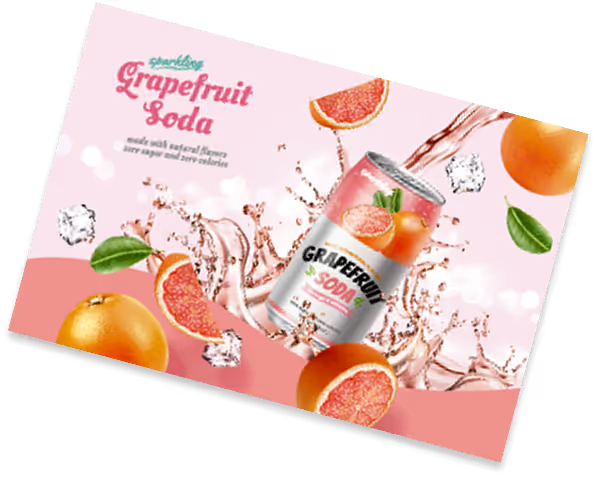
Sweetened beverages are industrial formulations containing additives like high-fructose corn syrup, artificial colors, and flavors. They offer no satiety, deliver rapidly absorbed sugar, and are linked to obesity, diabetes, and heart disease.
These beverages with refined sweeteners can cause significant blood sugar spikes, insulin surges, and increased cardiometabolic risk, and their liquid calories do not trigger the same fullness signals as solid food. Diet versions may avoid sugar, but emerging evidence suggests some non-caloric sweeteners may also contribute to inflammation, changes in the gut microbiome, and altered responses to sweetness.
Sweetened beverages
Savory snacks
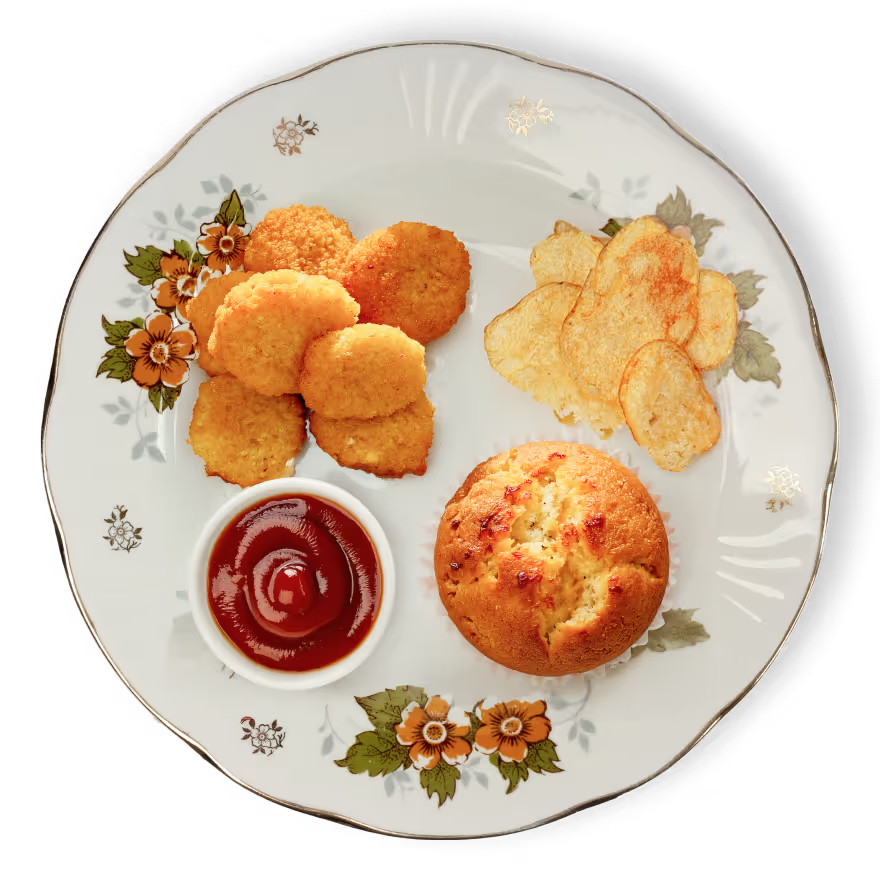
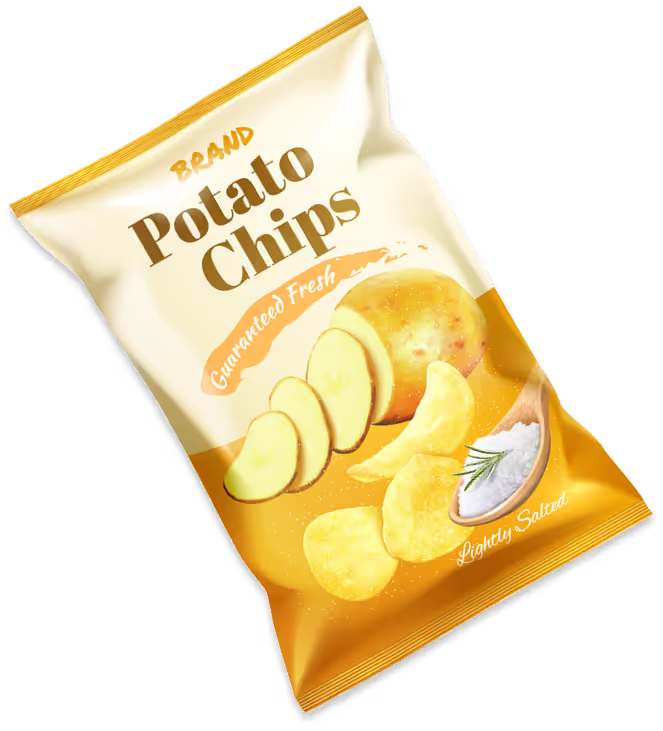
Processed savory snacks such as chips, flavored crackers, and packaged snack mixes are typically high in refined starches, sodium, fats, artificial colors, and flavor additives designed to encourage repeat consumption.
Savory snacks
Sweet bakery products
Processed sweet bakery products like cookies, snack cakes, pastries, donuts, and packaged desserts are often made with refined flour, added sweeteners, industrial oils, artificial colors, and preservatives. These products are engineered to be highly palatable while remaining inexpensive, convenient, and shelf-stable.
Sweet bakery products
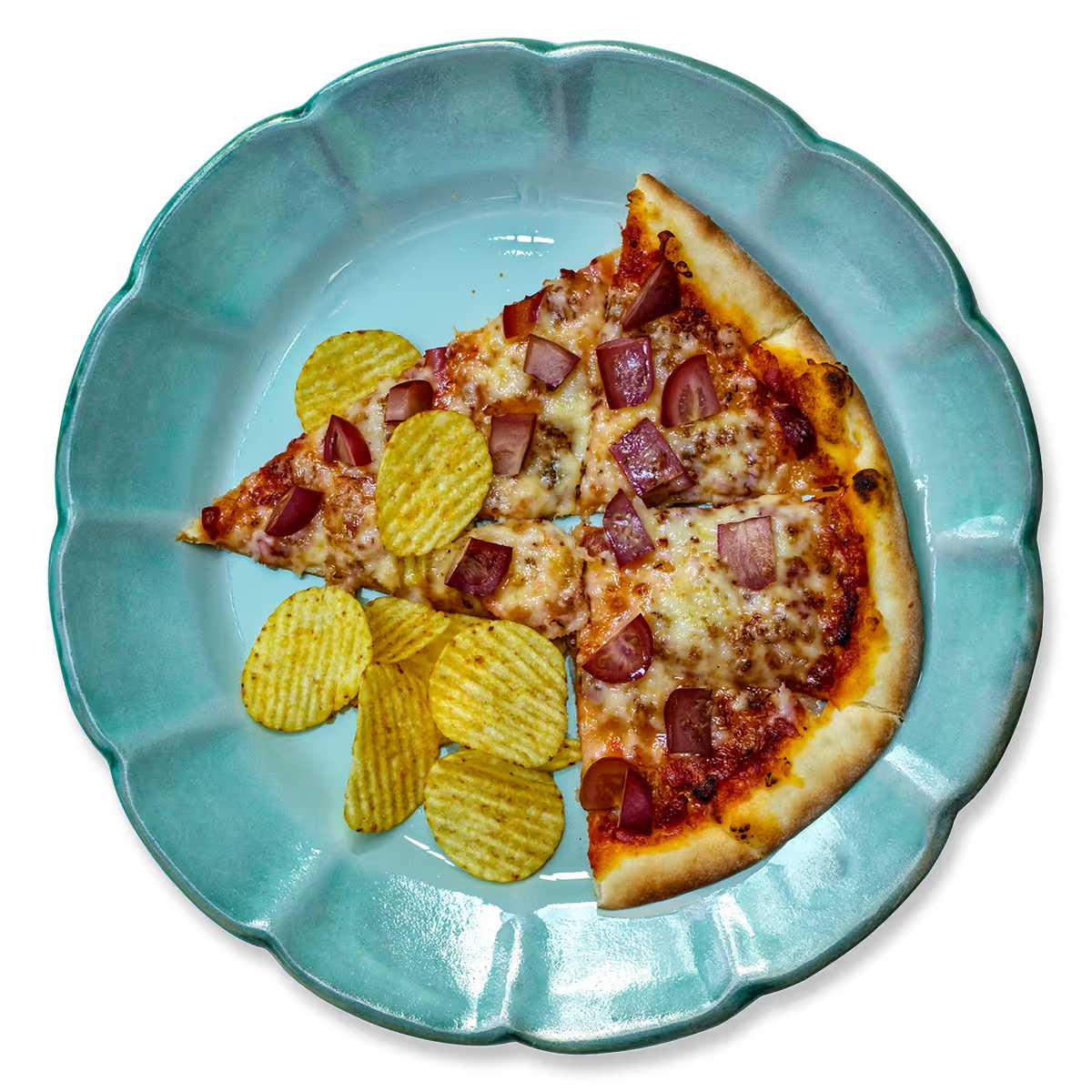
Pizza and Sandwiches (including Burgers)
Pizza and sandwiches, including burgers, are the single largest source of ultra-processed food calories in the American diet. Many are built from highly processed breads, processed meats, sauces, cheeses, and additives designed to maximize flavor, convenience, and shelf life.
Pizza and Sandwiches (including Burgers)

This didn’t happen by accident.

Big Food companies have pulled straight from the Big Tobacco playbook to reshape our food system and engineer products to be highly craveable, despite the health implications, while spending billions of dollars marketing products to children.
Explore healthier recommendations
It often starts with a starch slurry
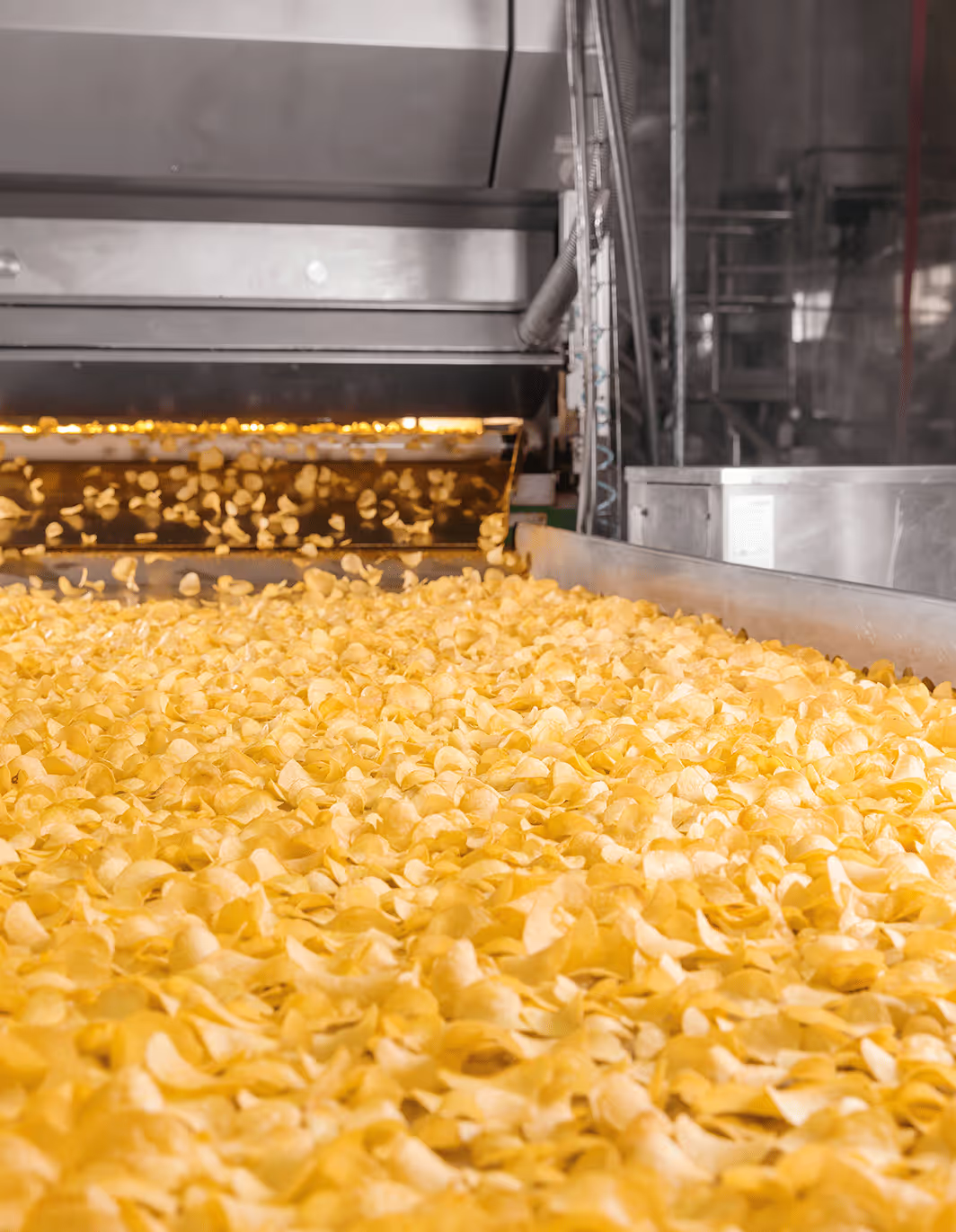
Ultra-processed foods typically begin by stripping corn, wheat, rice, or potatoes of their fiber, protein, and nutrients—leaving behind a refined starchy mush. Big Food companies then blend and rebuild this into products like chips, crackers, and other packaged snacks.
For beverages, the process looks different, but leads to a similar result: water, sweeteners, and additives are mixed together in a solution engineered to maximize flavor and shelf life. These formulations are often the basis of sodas, as well as popular sugary fruit drinks consumed by children – many of which carry nutrition claims that can mislead parents into thinking they’re healthier than they are.

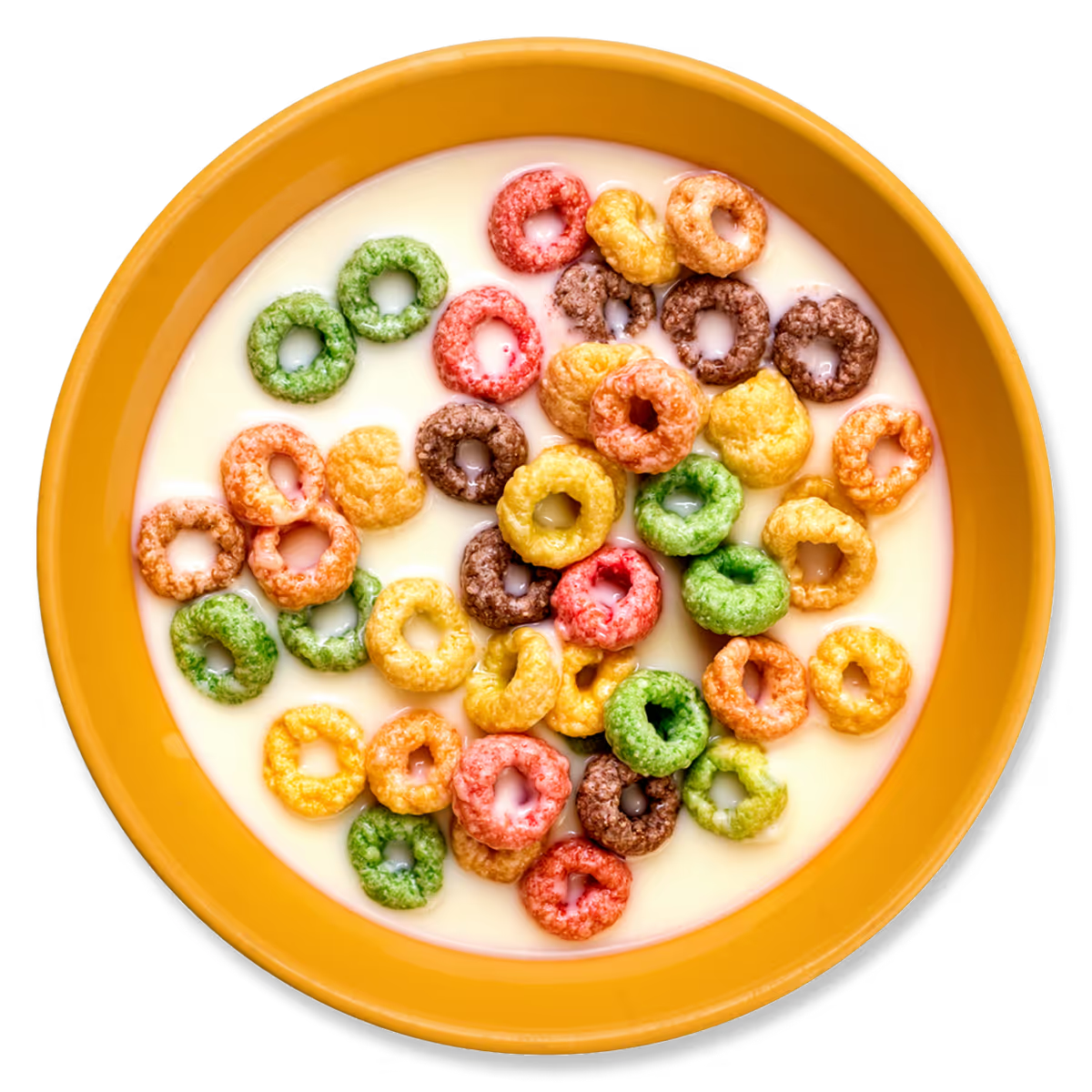
What do breakfast cereal, cheese puffs, soda, and processed burger buns all have in common? More than you’d think.

What looks like variety on the shelf often starts from the same handful of industrial ingredients.
“Natural flavors” and “artificial flavors” are often complex, proprietary mixtures designed to make products taste more intense, consistent, and desirable. These flavor systems can amplify sweetness, mask off-notes from low-quality base ingredients, and keep people coming back for more. They allow manufacturers to build craveable experiences from otherwise bland, highly processed inputs.

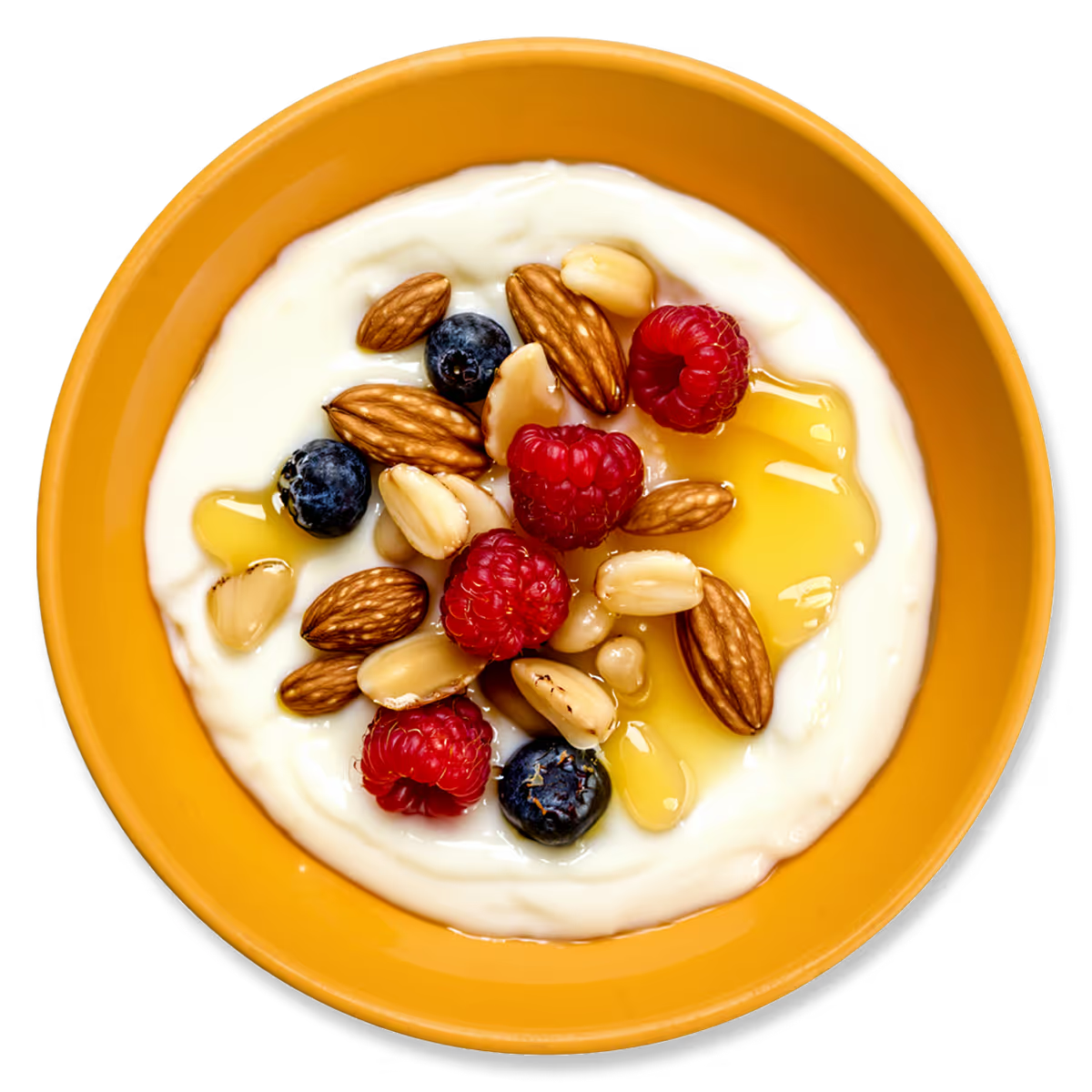
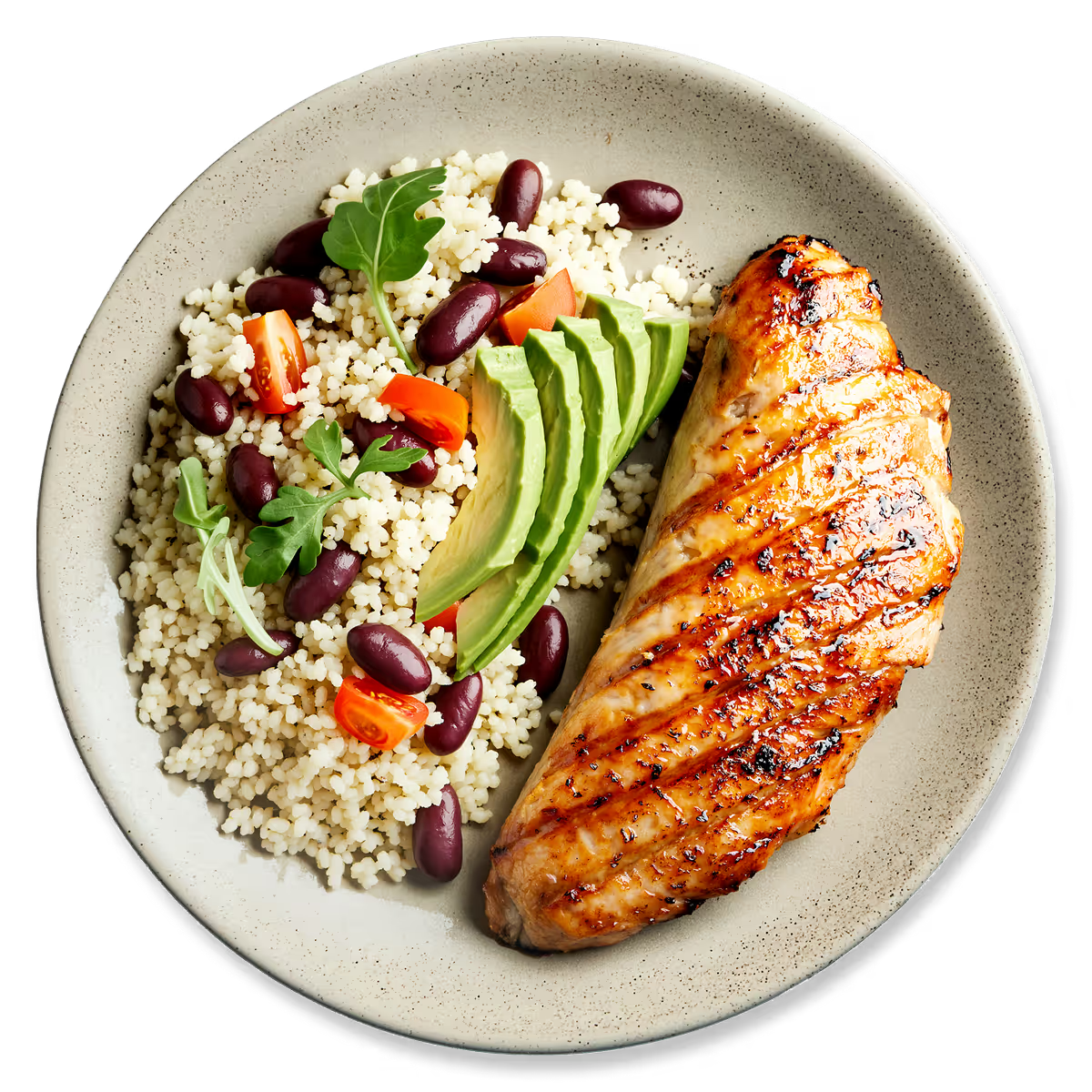
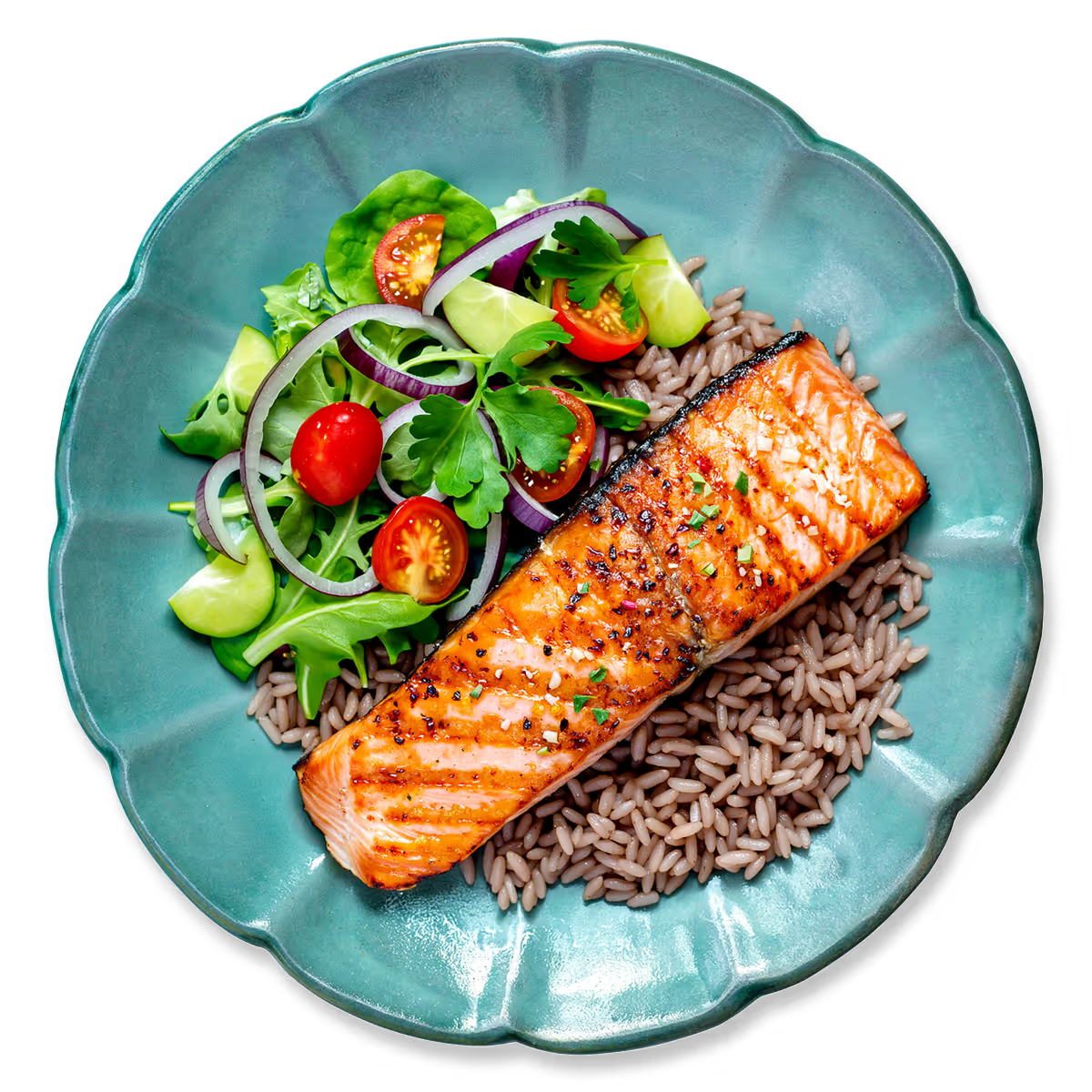
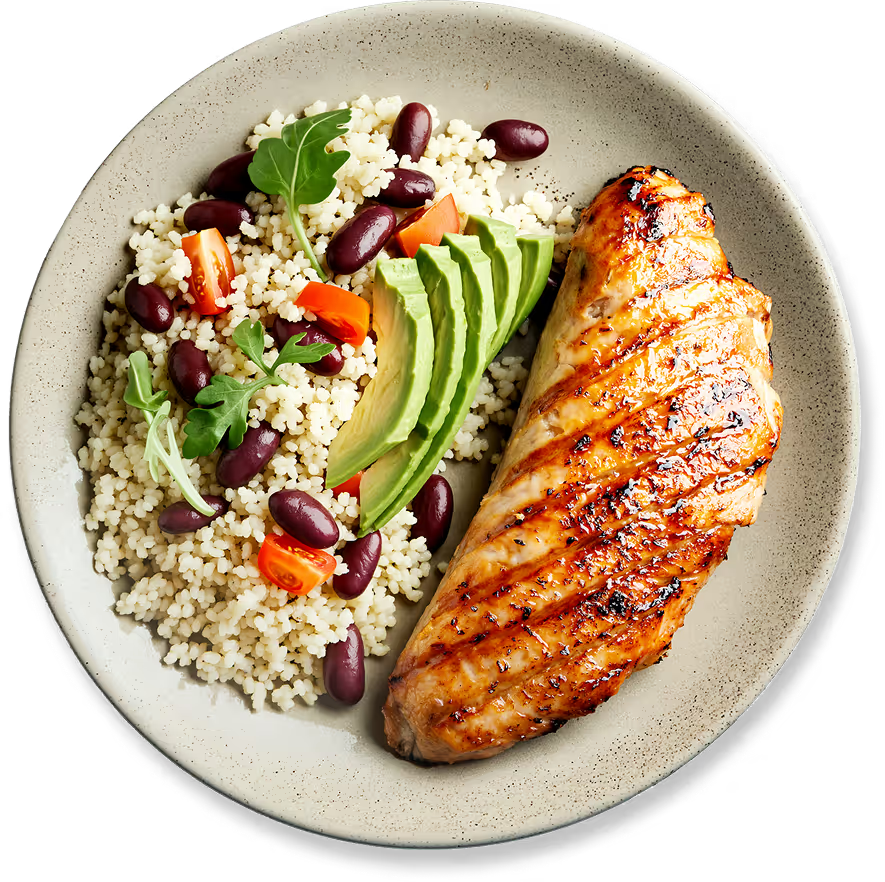
In real food: Flavor comes from the food itself—its ingredients, preparation, and freshness—without the need for engineered flavor systems to make it appealing.

Ultra-processed food frequently relies on added sugars or non-nutritive sweeteners like stevia or aspartame to create a strong, often exaggerated sense of sweetness. This can make products more appealing and encourage over-consumption. Non-nutritive sweeteners are also used to maintain sweetness while marketing products as “healthier,” despite increasing evidence of health harms.

In real food: Sweetness is typically balanced and embedded within the whole food, often alongside fiber and other nutrients that support satiety and regulation.
Ultra-processed food often contains long ingredient lists—frequently 10, 15, or even more—many of which serve industrial rather than nutritional purposes (e.g., preservatives, stabilizers, flavor enhancers). These complex formulations are often designed to maximize taste, convenience, and shelf life.

‍In real food: Ingredient lists are short and recognizable, often consisting of one or just a few items that directly reflect what the food is.
Many ultra-processed food products use added colors to make them look brighter, fresher, or more flavorful than they actually are. These visual cues are not about nutrition—they are designed to attract attention and shape expectations, especially in regards to children. In many cases, color is used to compensate for the fact that the underlying ingredients are low quality, highly processed, and not inherently appealing.

In real food: Color reflects the natural properties of the ingredient itself—ripeness, nutrient content, and freshness—not added dyes designed to sell the product.

Disgusting!

*This is the up-close texture of salami.

What’s in Our Food Matters

Ultra-processed food isn't just concerning – it's linked to serious health risks.

A growing body of peer-reviewed research connects high consumption of ultra-processed food to
Meanwhile, we’re left navigating confusing labels, mixed messages, and relentless marketing designed to distract us from the real cost of these so-called “convenience” foods: our health.
That’s not by accident. Big Food companies have long prioritized profit at the expense of our health—keeping prices artificially low and offloading the health costs of their products onto consumers. At every turn, they’re also undermining regulatory efforts that would keep us healthier, like clearer food labeling, limits on marketing to kids, and strong oversight.
What policymakers can do

Fed up yet?

It’s time to get real about our food.

You’re not the problem.

Let’s change

the system
together
When products are engineered to heighten flavor, maximize convenience, and drive overconsumption — and then are aggressively marketed, particularly to children — they shape dietary habits at scale. We deserve transparency and food that promotes health, not manipulation.
Help Yourself

People are ready for real change – and real food.

Big Food has been spinning the truth for decades. But the data doesn’t lie.
The blame shouldn’t be with parents and families who are doing their best. It’s about recognizing how our food system has been grossly manipulated by Big Food companies — and understanding how it’s impacting our health.

New research from the American Journal of Public Health is helping pull back the curtain back on ultra-processed food and bring the science behind what we’re eating into the open.
See the research

food should nourish us.

Yummm!

As the science around ultra-processed food becomes clearer, more Americans are calling for transparency, accountability, and a simpler path to choosing food that supports their health.
People are Fed UP!

It’s time to build a better food system.

Let's go

Our Latest Research and Insights

Join
The
Movement